
The global shift towards green energy is transforming industries worldwide, and South Africa is poised to play a significant role in this revolution. As the demand for sustainable technologies surges, the spotlight turns to "green metals"—the critical minerals driving this new era. In our latest article, we delve into South Africa's strategic position in the green metals landscape, exploring how the country can leverage its rich geological resources to meet the ambitious climate goals set by the Paris Agreement. Discover the challenges, opportunities, and transformative projects shaping South Africa's journey towards a sustainable and prosperous future.
The global landscape is undergoing a seismic shift from reliance on fossil fuels towards a greener future. Renewable energy technologies like wind turbines, solar panels, and electric vehicles are rapidly replacing traditional fossil fuel-based systems1. Mining faces growing challenges due to environmental concerns, resource competition, and societal opposition, necessitating improvements in industry practices3.
At the heart of this clean energy revolution lies a group of minerals critical for the development and functionality of these innovative technologies - aptly named "green metals" or “minerals of the future”4. A shift towards zero-carbon technologies contrasts starkly with reliance on traditional hydrocarbon resources. Constructing solar photovoltaic (PV) plants, wind farms, and electric vehicles (EVs) typically demands a greater quantity of minerals compared to their fossil fuel-based equivalents5.
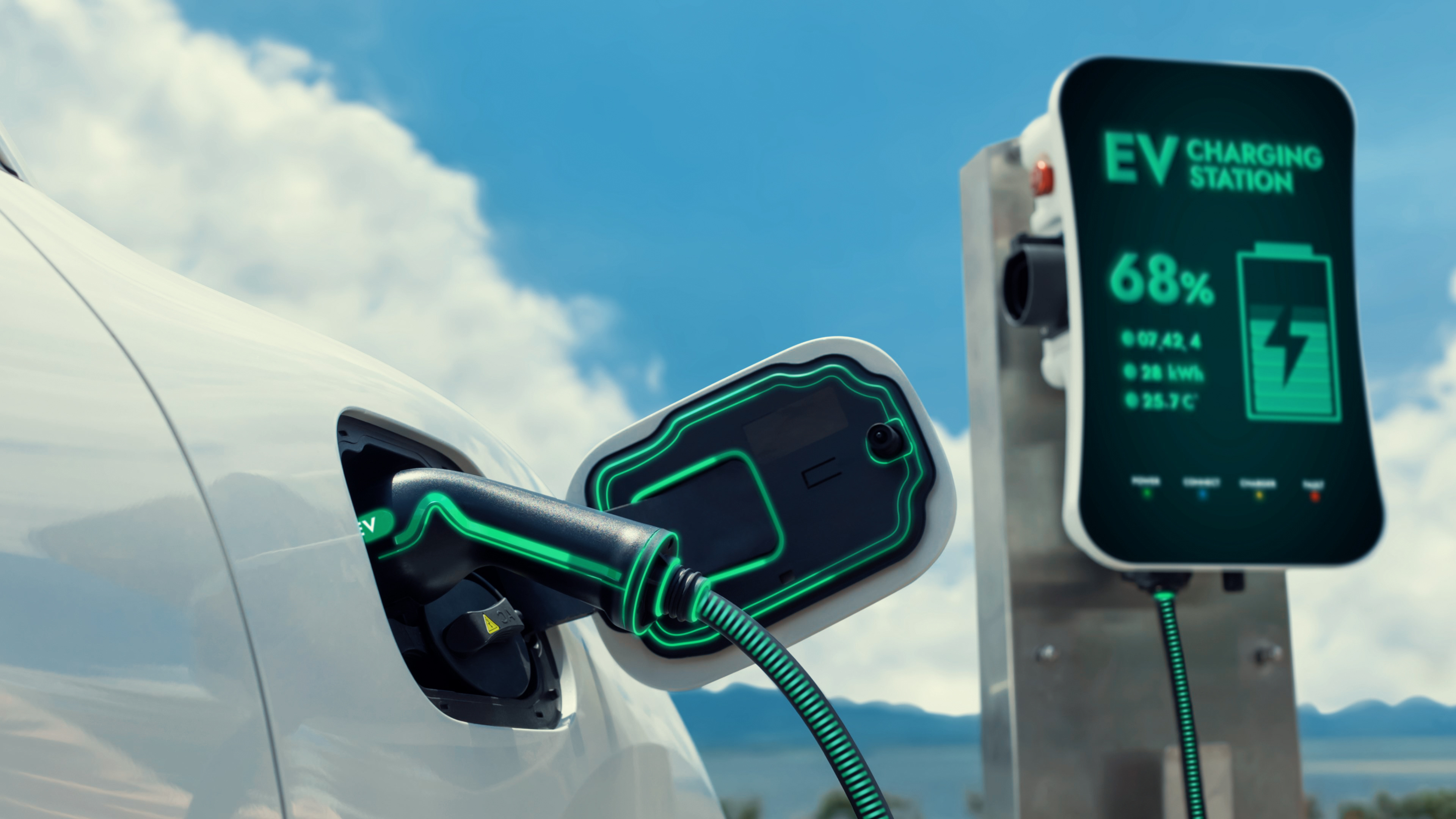
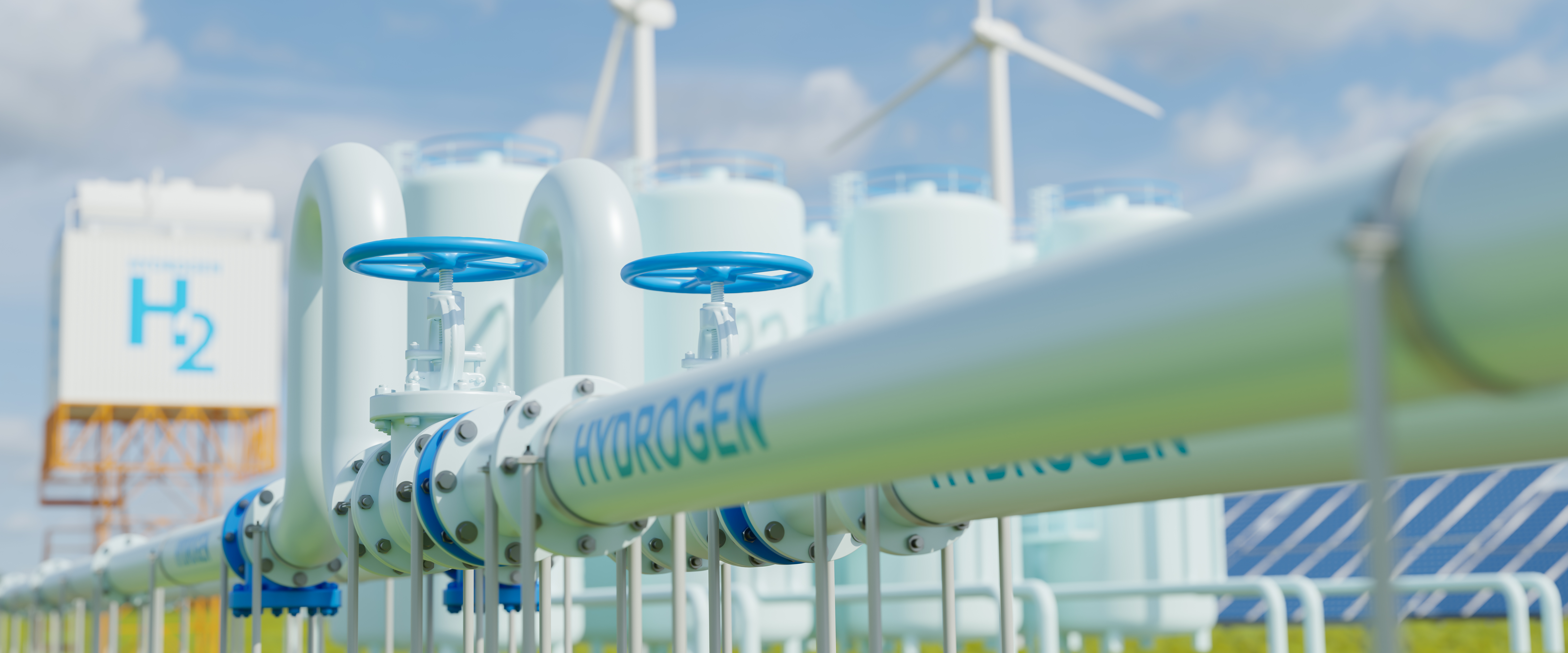
Furthermore, decarbonisation efforts in the mining industry are driven by the transfer to "green" metallurgy and the implementation of hydrogen technologies6. In addition, green primary iron production in South Africa using low-cost solar photovoltaic electricity could help global decarbonisation and boost exports, while promoting sustainable industry transformation7.
The World Bank estimates that, to meet the ambitious climate change goals set by the Paris Agreement, the production of green minerals will need to increase by nearly 500%8. This dramatic rise in demand presents a significant opportunity for resource-rich countries. South Africa, with its rich geological endowment, finds itself strategically positioned to capitalise on this growing demand
South Africa's mining sector has long been dominated by gold, platinum, and coal. However, the growing demand for green metals is creating new opportunities. The country boasts significant reserves of several key green metals:
While not as abundant as some other countries in certain green metals, South Africa still holds notable nickel reserves, integral to lithium-ion batteries, and lithium, the heart of these batteries. Recent discoveries indicate promising potential for lithium resources. Additionally, South Africa has potential reserves of Rare Earth Elements (REEs), critical for various high-tech and green applications.
South Africa's Integrated Resources Plan9 emphasises a "just transition" from fossil fuels towards renewables. The South African Presidential Climate Commission's Just Transition Framework outlines principles and policies for this shift, with the mining sector poised to play a crucial role in supplying the necessary minerals10.
Africa's participation in the global value chains for green and transition minerals is currently concentrated at the initial stages through exploration, extraction, and some processing. For example, South Africa produces nickel, and vanadium electrolyte for flow batteries. Locally assembled lithium-ion batteries are used in various applications, such as remote power systems and off-grid renewable energy projects. Additionally, the African electric motorcycle industry is rapidly growing, with companies across the continent innovating and retrofitting conventional motorcycles with electric motors
Simply extracting green metals isn't enough. Beneficiation, the process of upgrading the raw materials, is crucial for capturing a larger share of the value chain11 12.
Investing in beneficiation facilities would allow South Africa to produce battery-grade lithium, high-purity manganese, and other value-added products. This not only increases export revenue but also positions thecountry as a potential hub for green technology manufacturing in Africa13. Operating across the entire value chain, coupled with a commitment to Environmental, Social, and Governance (ESG) principles, offerssubstantial economic benefits, particularly concerning skill development and job creation in mining communities14.
The extraction and processing of green metals pose unique challenges including environmental impacts and the need for advanced technologies. However, these challenges present opportunities for innovation and collaboration.
At The Project Company we understand that embarking on green metals projects in South Africa involves navigating complex challenges and seizing significant opportunities. We offer a partnership to close the expertise and human resource gap. Working together with our strategic partner Fraser McGill, The Project Company offers a single touch point for range of services that are indispensable for successful green metal project execution:
South Africa stands at the forefront of a green metals revolution, offering immense opportunities for growth and sustainability. However, realising this potential requires an expansion in expertise, innovation, and strategic collaboration. Get in touch with Morné or Mathapelo if you would like to know more about how to explore the future of Green Metals in your organisation.
1. Africa Natural Resources Management and Investment Center (ANRC). 2022. Approach Paper to Guide Preparation of an African Green Minerals Strategy. African Development Bank. Abidjan, Côte d'Ivoire.
2. Nurmi, P. (2017). Green Mining - A Holistic Concept for Sustainable and Acceptable Mineral Production. Annals of Geophysics, 60.
3. Issa, M., Ilinca, A., Rousse, D., Boulon, L., & Groleau, P. (2023). Renewable Energy and Decarbonization in the Canadian Mining Industry: Opportunities and Challenges. Energies.
4. Investec (2023). Minerals of the future: an untapped goldmine for SA?.
5. Africa Natural Resources Management and Investment Center (ANRC). 2022. Approach Paper to Guide Preparation of an African Green Minerals Strategy. African Development Bank. Abidjan, Côte d'Ivoire.
6. Plakitkina, L., Plakitkin, Y., & D'yachenko, K. (2021). Decarbonization of economy as a factor of influence on the development of coal industry of the world and Russia.Ferrous Metallurgy. Bulletin of Scientific, Technical and Economic Information.
7. Trollip, H., McCall, B., & Bataille, C. (2022). How green primary iron production in South Africa could help global decarbonization. Climate Policy, 22, 236 - 247.3
8. The South African Institute of International Affairs (SAIIA). 202w. Africa’s mineral resources are critical for the green energy transition.
9. South Africa. Department of Mineral Resources and Energy (2023). Integrated Resource Plan.
10. Norton Rose Fulbright. (2023). The Green Mining Value Chain: Mining for low carbon technologies towards net zero.
11. Investec (2023). Minerals of the future: an untapped goldmine for SA?.
12. Institute for Security Studies. 2023. Mining for energy: Africa must seize the green moment.
13. Investec (2023). Minerals of the future: an untapped goldmine for SA?.
14. Investec (2023). Minerals of the future: an untapped goldmine for SA?.

In order to give you the best browsing experience this website uses
cookies. By continuing to browse you accept that. Learn more


